Blah blah

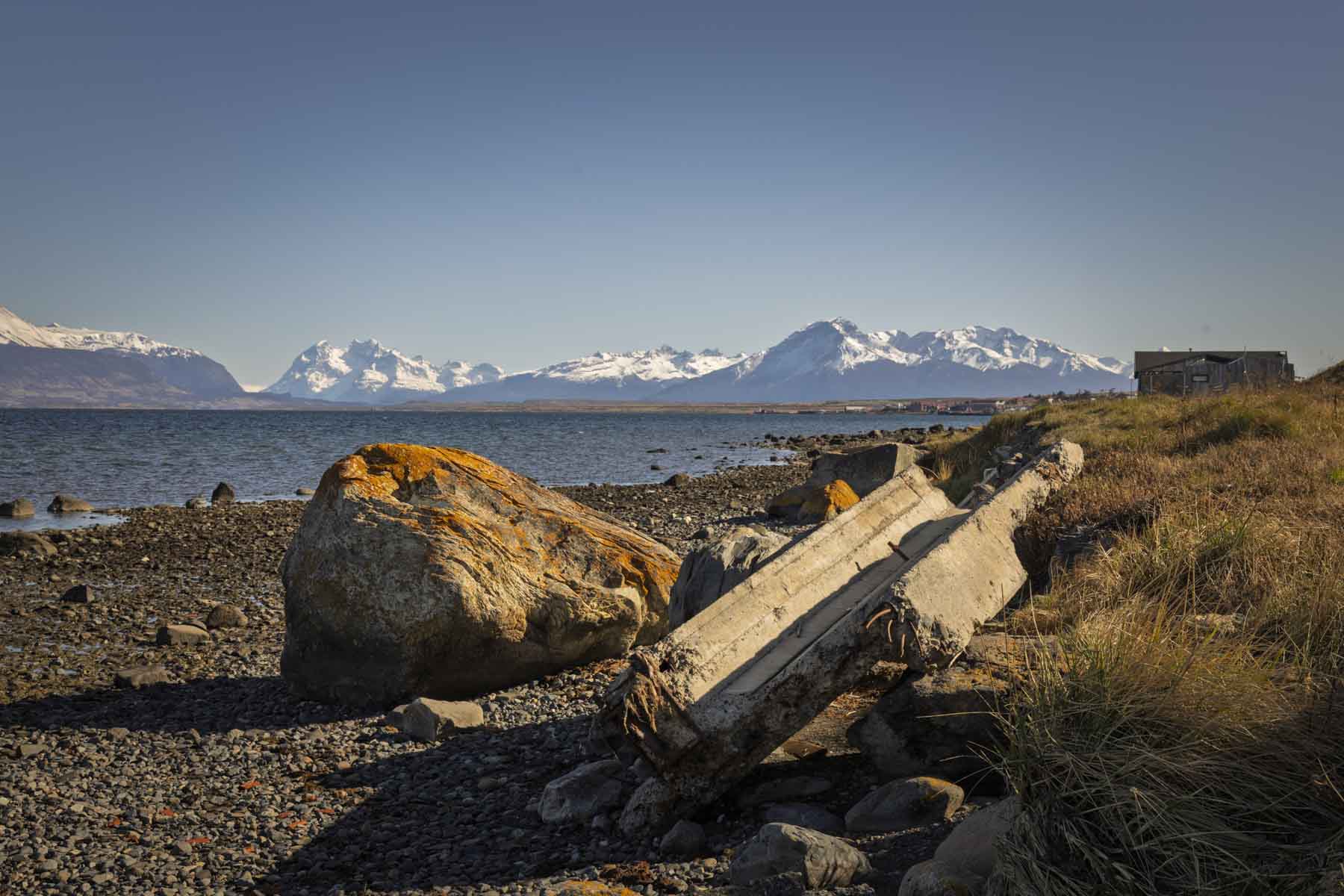
In Puerto Natales it feels like we’ve arrived at the end of the world.

The town is getting ready to celebrate Chile’s independence from Spain. There is bunting everywhere.

But very few people.

We find the supermarket, have coffee at cafe Kau near the waterfront, buy empanadas and cakes from a gluten free bakery attached to a hostel and have dinner at a sushi restaurant.

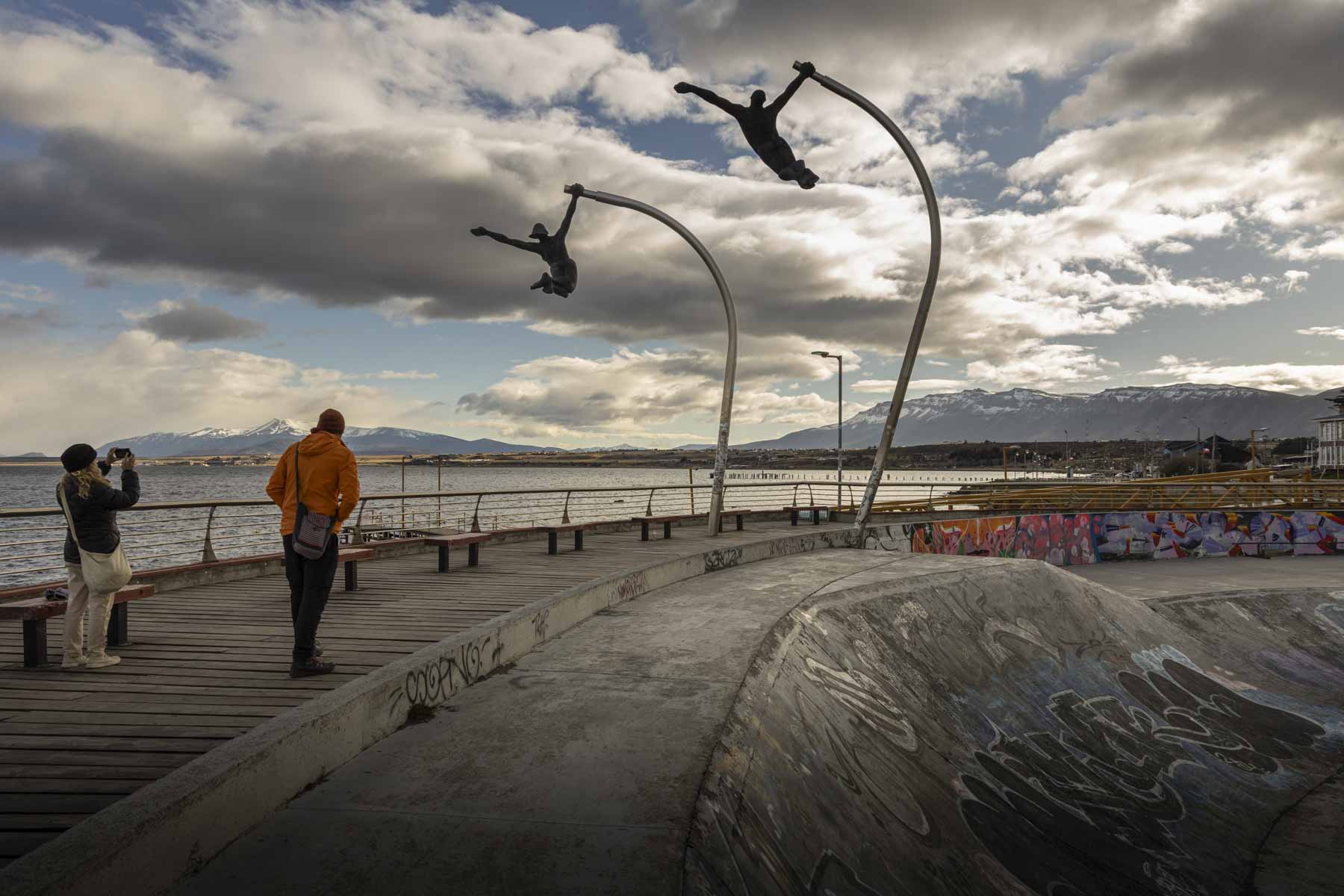
We walk through the artisan market, past the skate bowl, and through the two main squares.

There are tourist shops dotted around the town, souvenir shops that sell high end artisan products rather than your standard cheap trinkets.

But Puerto Natales doesn’t feel touristy, at least not now, in the off season.

Near Kau cafe is a sculpture of a hand coming out of the footpath and the remains of a timber pier – a photo-worthy stop.

But we’re really here to see Torres del Paine. So we pick up our hire car and drive the two or so hours north to the national park.

We settle into our accommodation but can’t sit still. We’re itching to get out to see what all the fuss is about. So after a short walk around the very small town of Cerro Castillo, we load back into the car and head for Lago el Toro, a giant lake on the outskirts of the national park.

Along the way we see a fox run across the road, a guanaco jumping a fence and an eagle sitting on a fence post.

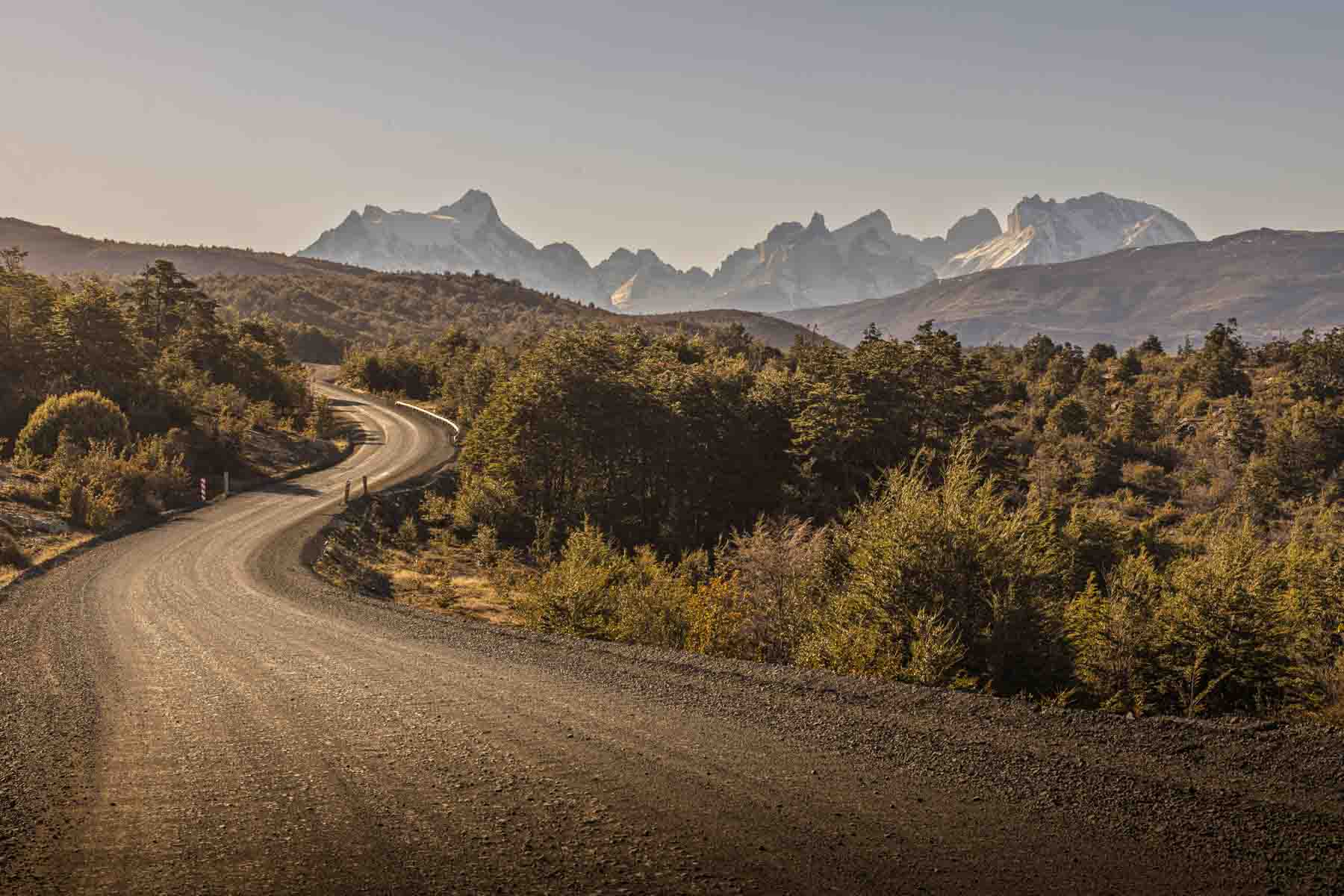
The drive is beautiful, undulating hills dotted with sheep and snow-capped peaks.

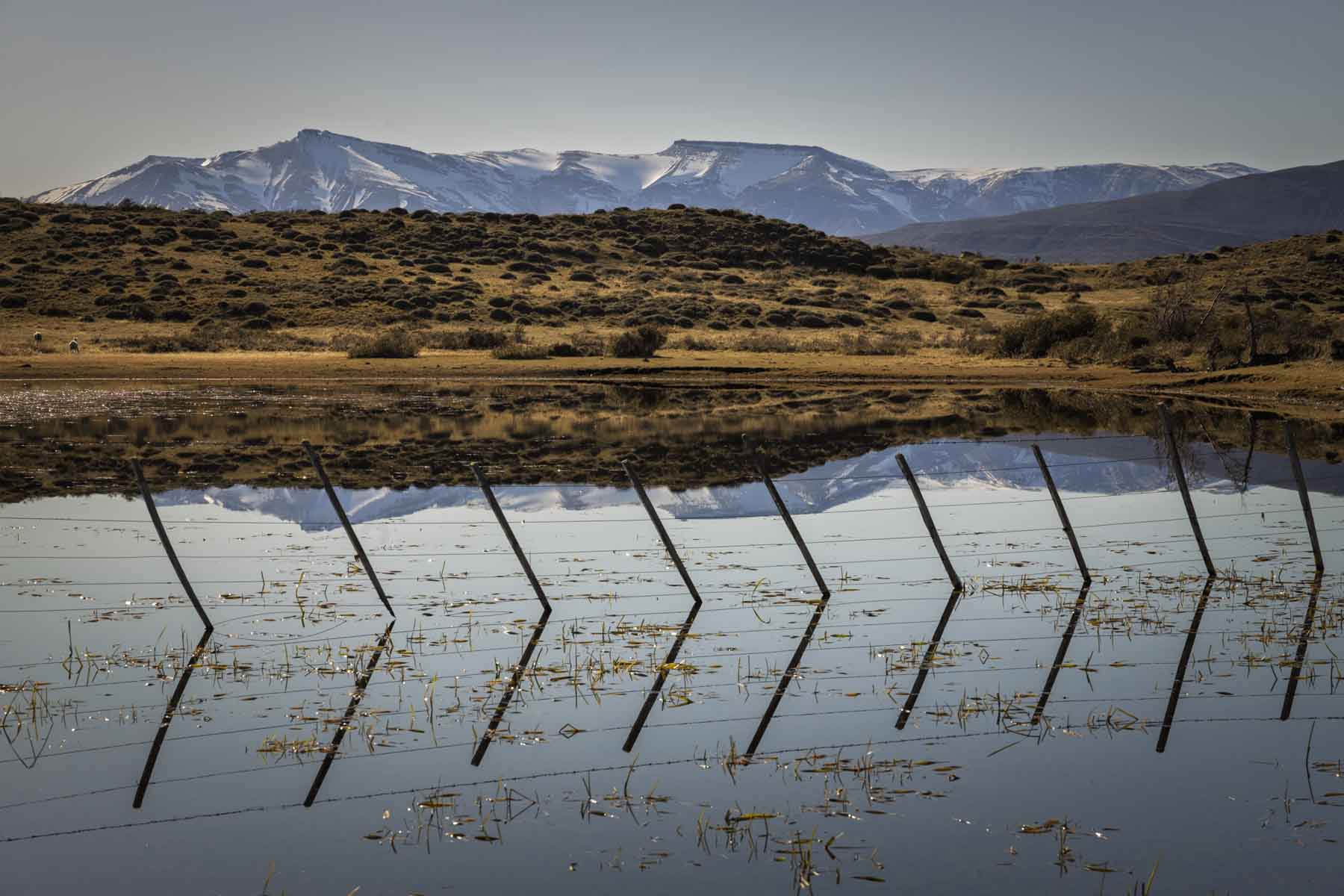
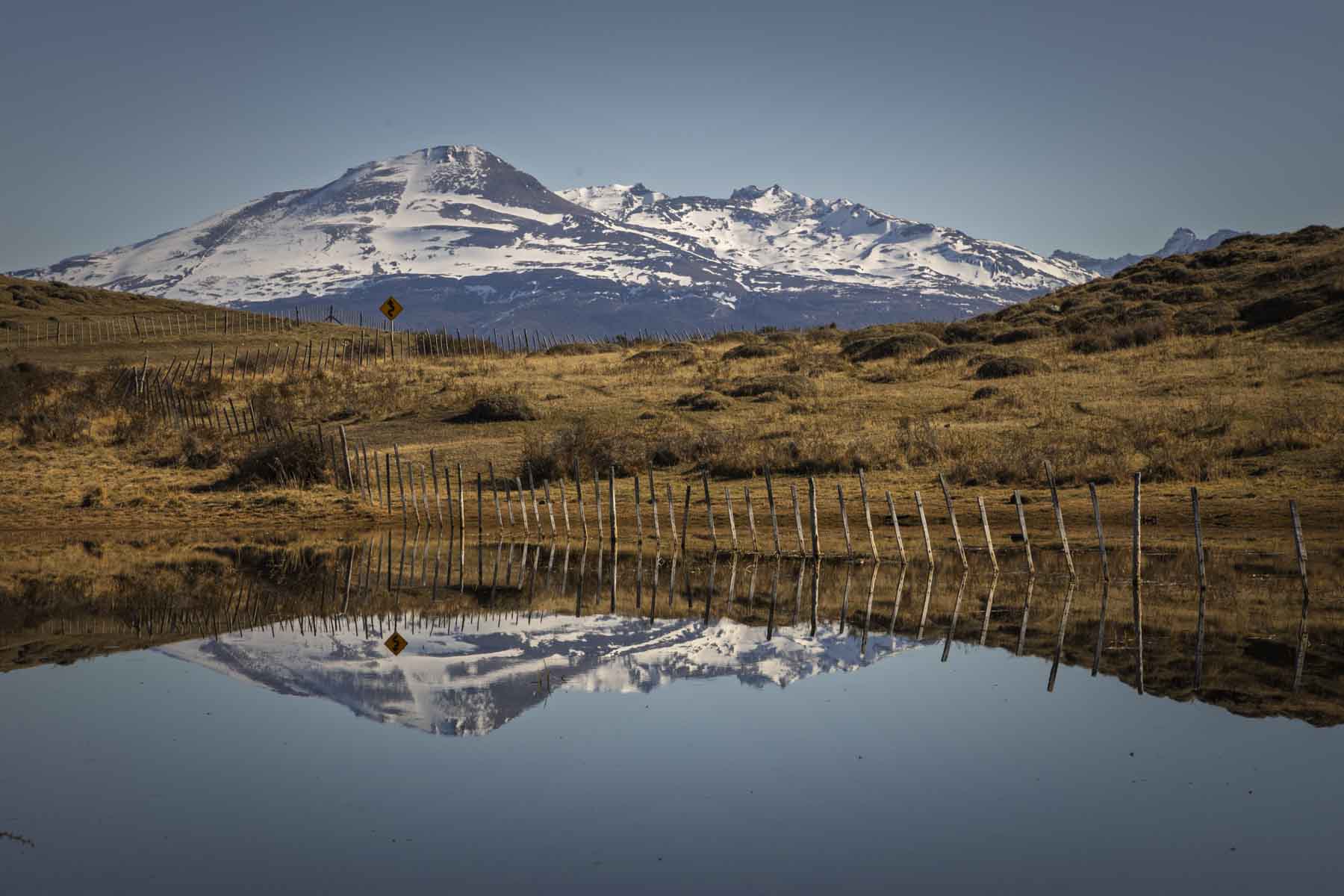
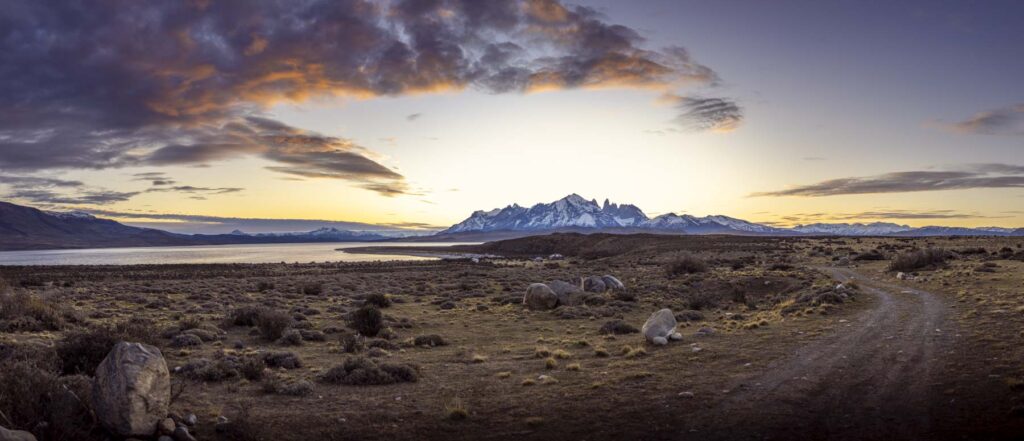
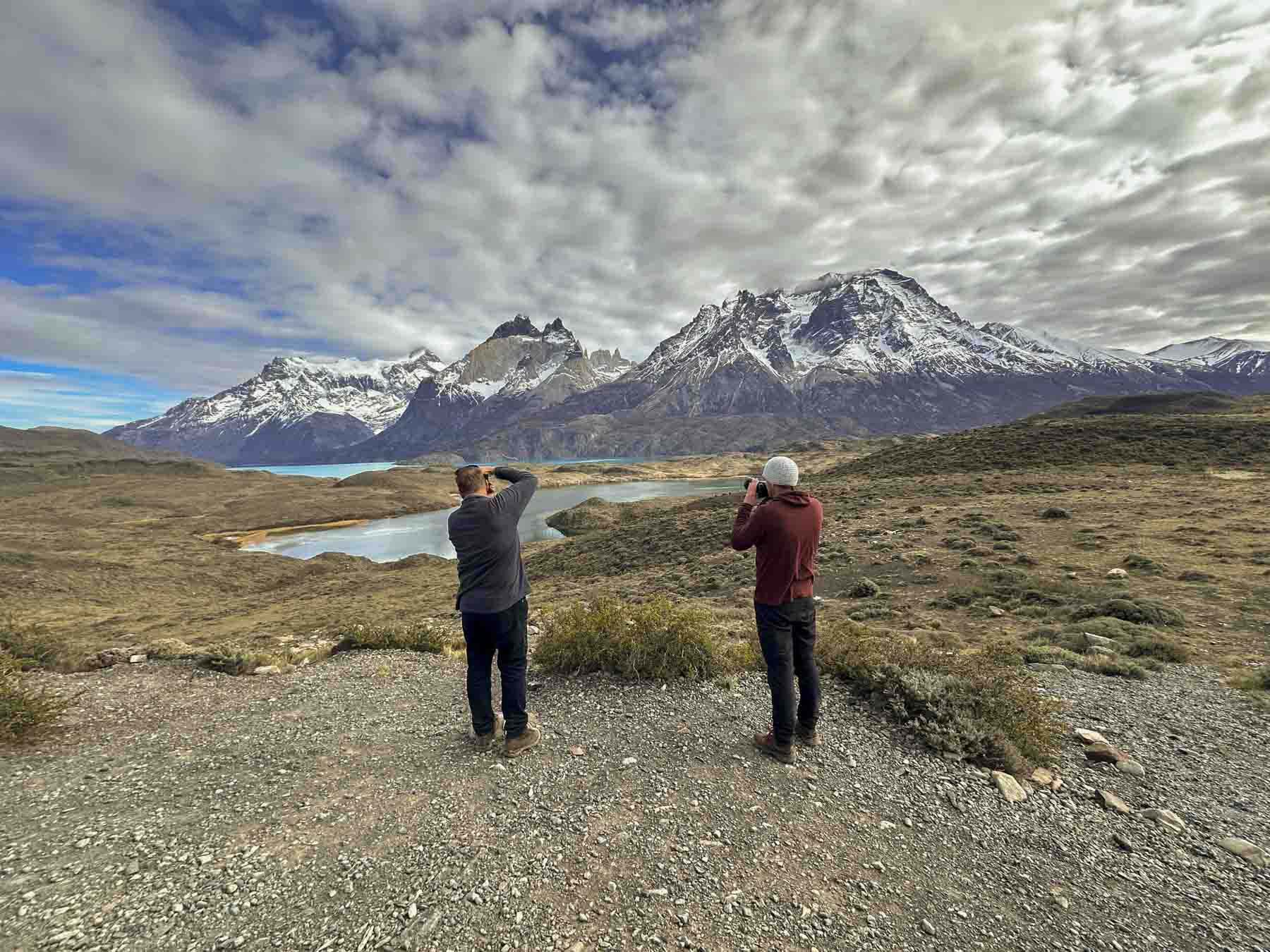
When we drive past a small lake and see snow-capped mountains reflected in the water, the temptation becomes too much for Ade. 

We pull over for a photo opportunity. This is what it’s like to travel through Patagonia. Stunning landscapes beckon at every turn. There is a vastness to the landscape, and I find myself constantly looking at Google maps, to find out just how far south we are and how close we are to Antarctica. 

At the lake a stillness surrounds us while the sheep opposite bleat and run away.

Two minutes up the road we see a caracul sitting at the top of a tree.

Ade urges Matt, our trusted travel buddy who has been travelling with us for weeks now, to get out to photograph it, shouts instructions from the driver’s seat while Matt tries to photograph the bird sitting in front of the sun.

On day two we head into the park proper. We stop at Laguna Amarga gate and speak to the very helpful Mateos who tells us puma walk along the path next to the gate but you need a guide to take you because it’s not safe. He tells us which walks are open and which walks we should tackle.

We start with a short walk along the 2km path opposite the gate. The path takes us to the edge of those undulating hills and alongside wetlands but the ducks playing in the water create ripples that upset Ade’s reflection photos so we move on.

We stop at various viewpoints along the way, some designated, some self-defined.

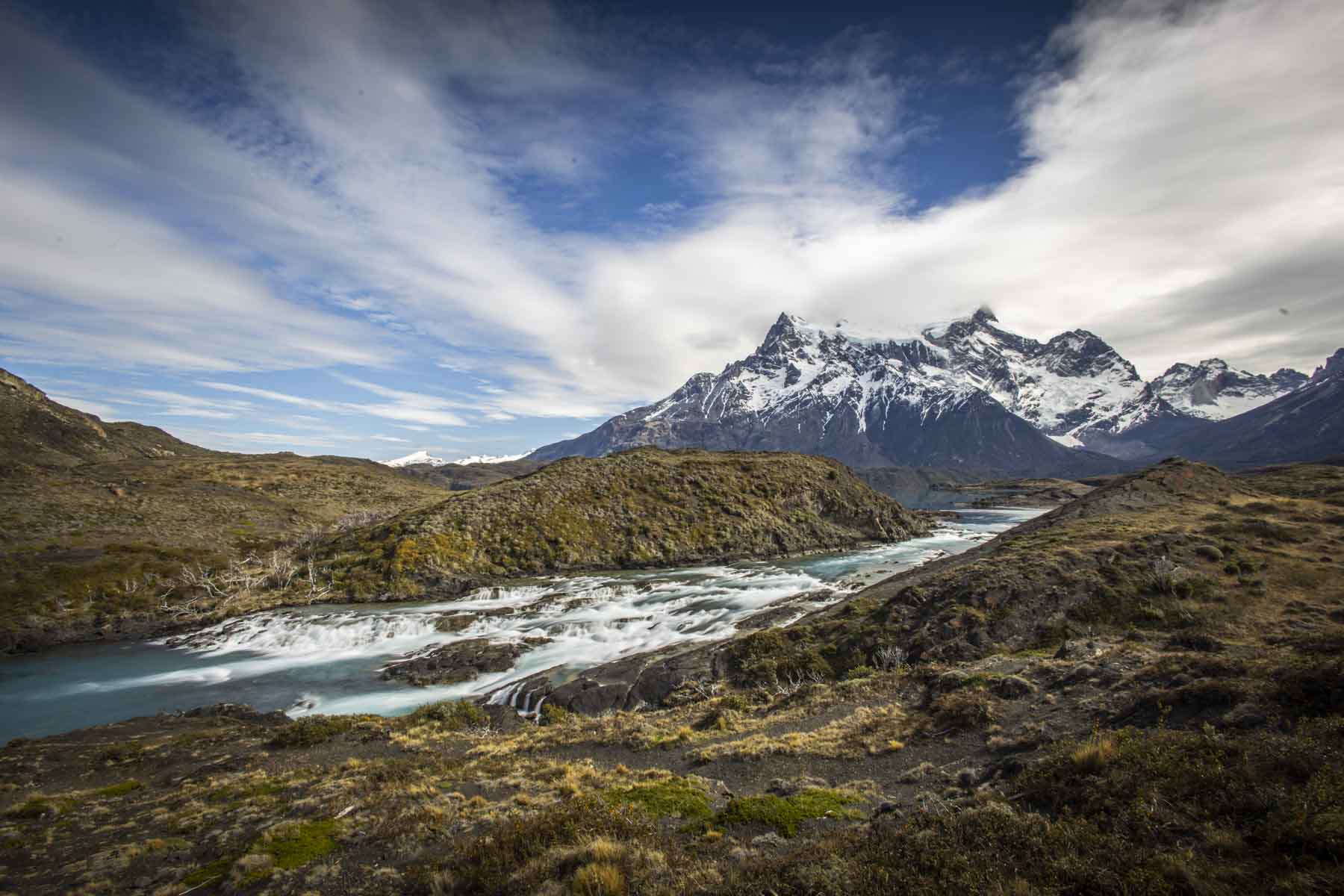
The scenery throughout is incredible, so much so it’s hard to know where to look. Snow-capped mountains, rolling hills, lakes in every shade of blue. It’s like the Swiss alps, the Lake District and New Zealand all rolled into one.

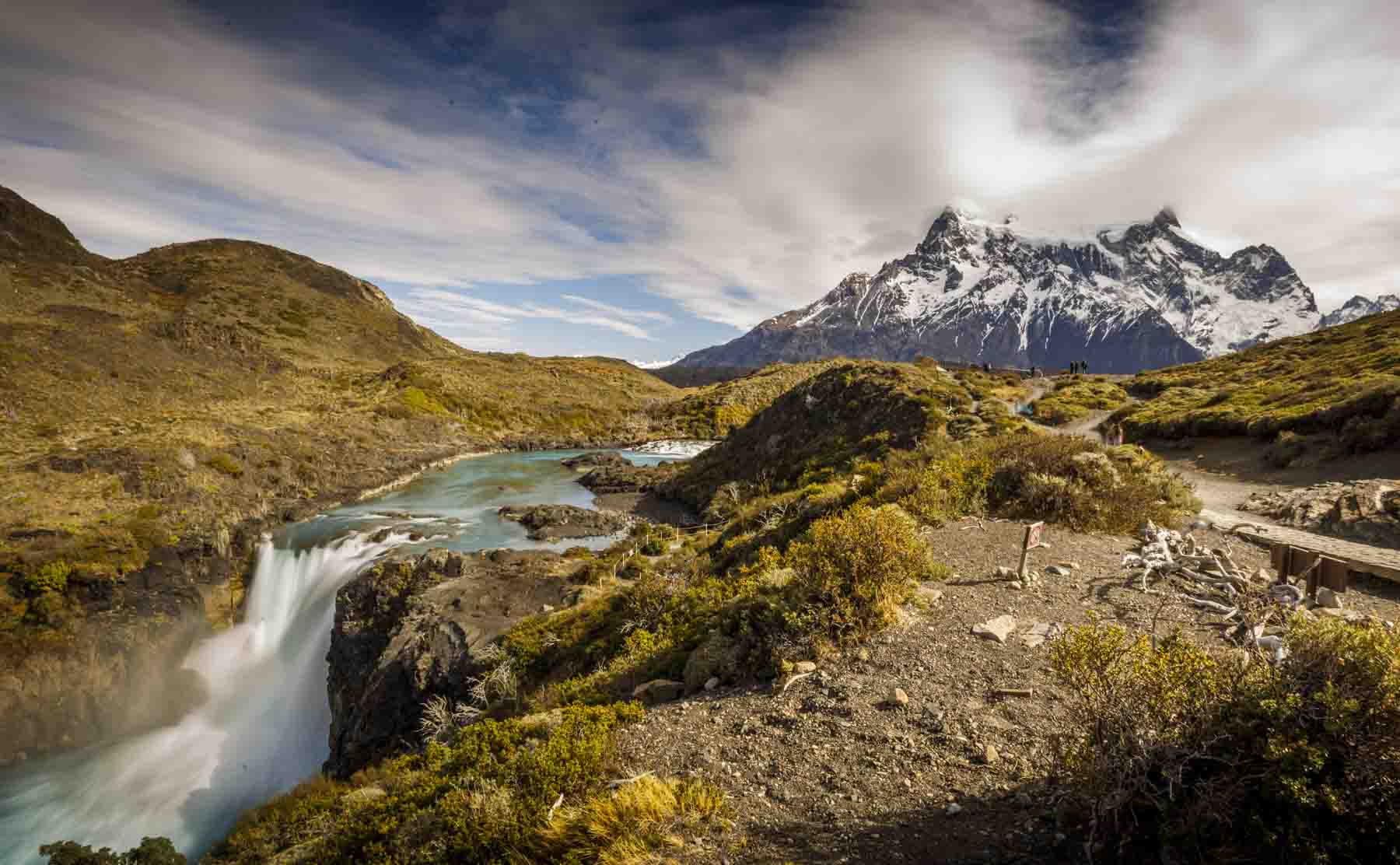
At Salto Grande waterfall and cascades we read the signs that tell us water flows here at 100m3 per second.

It’s a short walk to the first viewing platform, about 600 metres. Iridescent blue water and rock pools surrounded by mountains spill out before us.

Rolling hills and sharp craggy peaks rest side by side, creating a unique, other-worldly landscape. 

The peaks aren’t high, not terribly so, and yet they are topped with snow and feel epic somehow.

We stop at Pehoe Hosteria for a coffee and a hot chocolate and stare out the windows.

We drive on for a few minutes and stop at Explora where we sit on the boardwalk and eat nuts in yoghurt before climbing the boardwalk for more stunning views. 

A condor flies overhead. 

I sit on the edge and think how lucky I am to be here on a Friday afternoon. In the middle of Patagonia, Chile. Taking in these amazing views.

There are few roads to distract from the views, a couple of information centres and a handful of hotels. Very little infrastructure dotting the landscapes. No powerlines crossing the mountains. 

The effect is breathtaking. It’s rare to find so much land untouched by humans.

In a world of constant distractions Patagonia, Torres del Paine, forces you to watch the scenery. To stay present.

Just be careful of the trucks hurtling along the roads.

We crawl along Y160 and 166 in search of pumas. We see tour vehicles sitting in wait and wonder whether they’ve seen a puma or are sitting in hope. We see guanacos feeding on the hills around us, stunning vistas but no pumas.

On our final day we tackle Mirador Los Torres Base, part of the infamous w trek and one of the more popular walks in Torres del Paine.

The track winds its way from the rear of the visitor centre. An easy stroll over relatively flat plains, past Hotel Las Torres and around a corner, but then the track disappears into the craggy mountains ahead and we see heads bobbing up at distant points in the higher ridges.

This is the Torres del Paine I was expecting. To hike into the mountains, over rocky outcrops. To challenge myself physically and mentally, even if it’s only for a day.

We walk along the sides of mountains, past a café that’s closed for business, over a creek and through narrow passes.

All the while we climb steadily higher. We zigzag our way over a steep rocky incline.

“Not much further,” “You’re nearly there,” “It’s well worth it,” those coming down cheer us on, offer us encouragement and support.

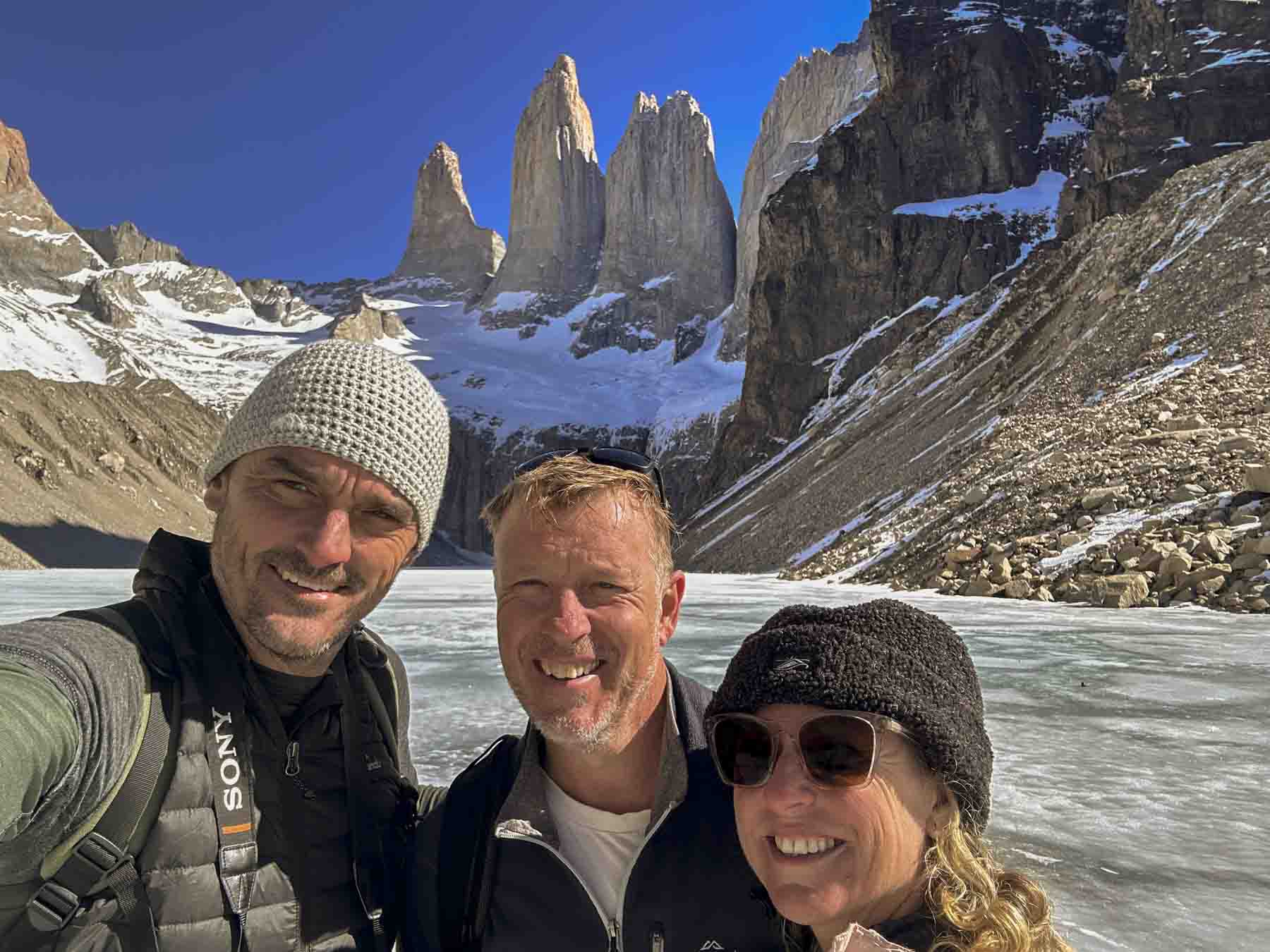
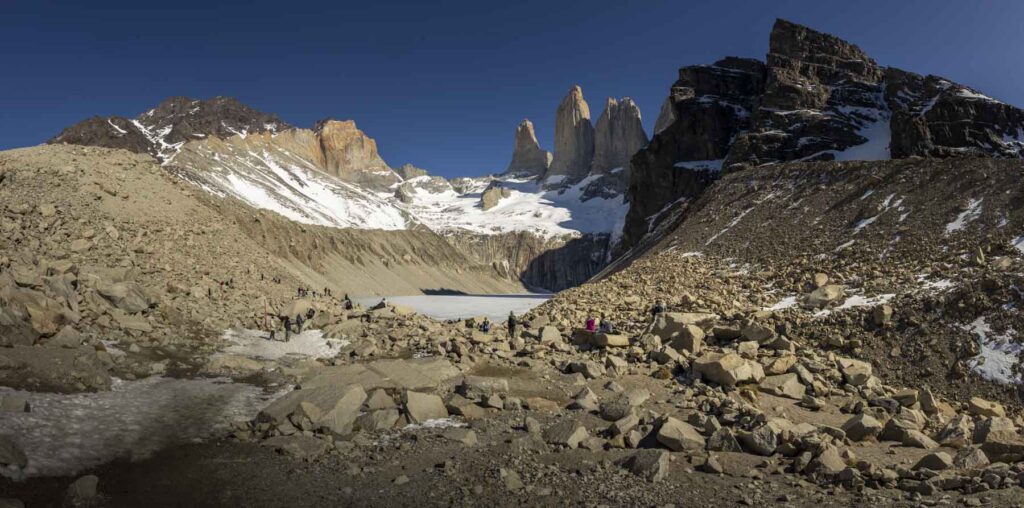
We climb over boulders and finally, the frozen lake at the bottom of the three rocky towers appears before us. Crowds of tourists clamber over rocks all looking for the best view, the best photo point.

People stand, sit or lie on the ice posing for photos, groups gather on the edge of the frozen lake.

I sit in stillness for just a moment. The sun is shining and the sky is deep blue in contrast against the white peeks. We know how lucky we are to be here on a day that’s so clear. 

A fellow walker tells us their tour group leader had warned that there hadn’t been a clear day for weeks in the lead up to this day.

But that’s travel, sometimes you get lucky, sometimes you don’t. And all you can do is appreciate the moment that you are there, whatever the weather and however far you can wander. 

Read more about our adventures in South America here.

Fast Facts

We travelled in September, 2025.

We stayed at Hotel Estancia in Cerro Castillo.

We were here for three nights.

Was it long enough? We saw everything we wanted to see and more. We didn’t do any of the multi day treks.

Highlights: Every single vista, the trek to Mirador Los Torres.

Read before you go:  Patagonia by Bruce Chatwin. The book provides an interesting overview of Patagonia and its locals. 

Join @AllabroadAU on  Instagram,  Facebook, X and  YouTube  for more travel inspiration.

Latest Posts

Searching for wildlife at Ngorongoro Crater

We find the guide on the streets of Arusha, in Tanzania. Parked alongside a street-side bead seller...
Packing up life for a 3 year global adventure

Imagine packing up your entire world, your life, for an extended trip around the world. Imagine...

The funeral pyres of Kathmandu

I'm sitting overlooking the funeral pyres at Pashupatinath Temple in Kathmandu. It's a strange...

Feeling the heat on an Amazon adventure

Few things in life can compare to the feeling of floating down a river in the middle of the Amazon...

Wander with us

Never miss an adventure. Subscribe to AllAbroad for more travel inspiration